
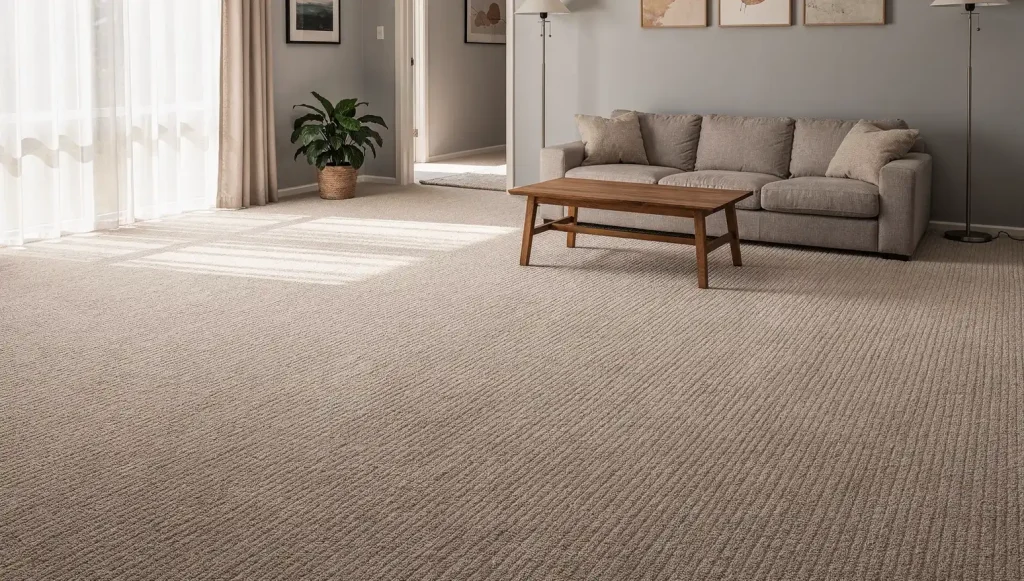
Your carpet looks clean. The pile is even, there are no visible stains, and a quick vacuum keeps the surface tidy. Yet beneath that surface lives an invisible population of dust mites, allergens, pollen and microscopic debris that no glance can detect. The Bunbury Carpet Cleaning team are carpet cleaning specialists who understand exactly what settles into carpet fibres and how it quietly affects the air you breathe indoors. Understanding the biology behind it helps explain why some cleaning reaches the problem and some only skims the top.
Why Carpet Pile Acts as a Natural Trap
Carpet is designed with thousands of upright fibres packed closely together. That structure is wonderful for comfort and warmth, but it also behaves like a dense filter. Airborne particles settle, drift between the strands, and gravity pulls them down toward the base of the pile where movement and air cannot easily disturb them.
Every time someone walks across the room, particles are pushed deeper rather than lifted out. Over months, the lower layers of the pile accumulate a reservoir of dust, skin cells, pollen and fine grit. The deeper material sits sits below the reach of casual cleaning, which is why a carpet can feel clean on top while holding a significant load underneath.
The Dust Mite Life Cycle and Why Coastal Humidity Matters
Dust mites are microscopic creatures that thrive in soft furnishings. They do not bite or burrow, but they feed on the flakes of dead skin that humans and pets shed constantly. Carpets collect these flakes beautifully, creating an ideal food supply at the base of the pile.
Humidity is the other key factor. Dust mites absorb moisture from the air rather than drinking, so they flourish when relative humidity stays high. In a coastal setting like Bunbury, sea air and seasonal moisture can keep indoor humidity elevated, giving mite populations the damp conditions they prefer. Warmth plus moisture plus a steady food source makes carpet an attractive habitat.
The health concern is not the mite itself but what it leaves behind. Mite droppings and fragments of their bodies contain proteins that act as potent allergens. These particles are tiny, light and easily stirred into the air you breathe.
Common Carpet Allergens and Their Effect on Indoor Air
Dust mites are only part of the picture. A typical household carpet can hold a wide mix of irritants that build up over time.
- Dust mite droppings and body fragments
- Pet dander, the microscopic skin flakes shed by cats and dogs
- Pollen tracked in from gardens and outdoor air
- Mould spores where moisture has been present
- Fine dust and general particulate matter
For most people these settle quietly. For anyone with asthma, hay fever or sensitive airways, they can trigger sneezing, congestion, itchy eyes or worsened breathing. Because foot traffic and even opening a door disturbs the pile, these allergens re-enter the air repeatedly, which is how a carpet can influence indoor air quality long after it was last cleaned.
What Surface Cleaning Removes and What Stays Behind
Routine care does real and valuable work. Regular vacuuming lifts loose dust, surface grit and the freshest layer of debris before it has a chance to settle deeper. Consistent attention genuinely slows the rate at which the pile fills up, and good vacuuming habits protect your carpet over the long term.
The limitation is depth. Surface cleaning reaches the top portion of the pile but struggles to extract material bonded near the base. Allergen proteins cling to fibres, and dust mite debris nestles in the densest part of the carpet where suction alone cannot reliably reach. So while surface care manages the visible layer, a deeper reservoir of embedded allergens can remain untouched.
How Hot Water Extraction Reaches Trapped Allergens
Hot water extraction works differently because it addresses the full depth of the pile. Heated water combined with cleaning solution is injected into the carpet, loosening the particles that have bonded to the fibres. A powerful extraction stroke then draws the water back out, carrying suspended debris, mite fragments and allergen proteins with it.
This process flushes out material that dry surface methods leave behind. By lifting the embedded load rather than simply collecting the top layer, extraction reduces the actual quantity of allergens present in the carpet, not just the appearance of cleanliness. It also helps remove residues that attract and hold new debris, which keeps the pile cleaner for longer.
Signs Your Carpet May Be Triggering Allergies
Carpets rarely announce the problem, but certain patterns offer clues worth noticing.
- Symptoms like sneezing or congestion that ease when you leave the house
- A musty smell that returns even after surface cleaning
- Allergy flare-ups that worsen after walking across or sitting on the carpet
- Visible dust rising when the pile is disturbed in sunlight
- Carpet that has gone a long stretch without a deep clean
When these signs appear together, the carpet is likely holding more than the surface suggests, and a deeper clean can make a measurable difference to the air in the room.
How thoroughly these allergens and residues can be lifted out depends heavily on what the carpet is made from. Different fibres hold particles in different ways and respond to cleaning quite differently, so understanding the materials used in your home is the next piece of the puzzle. Looking at the common carpet fibre types found in Australian homes reveals why one cleaning approach can produce very different results from one carpet to the next.