
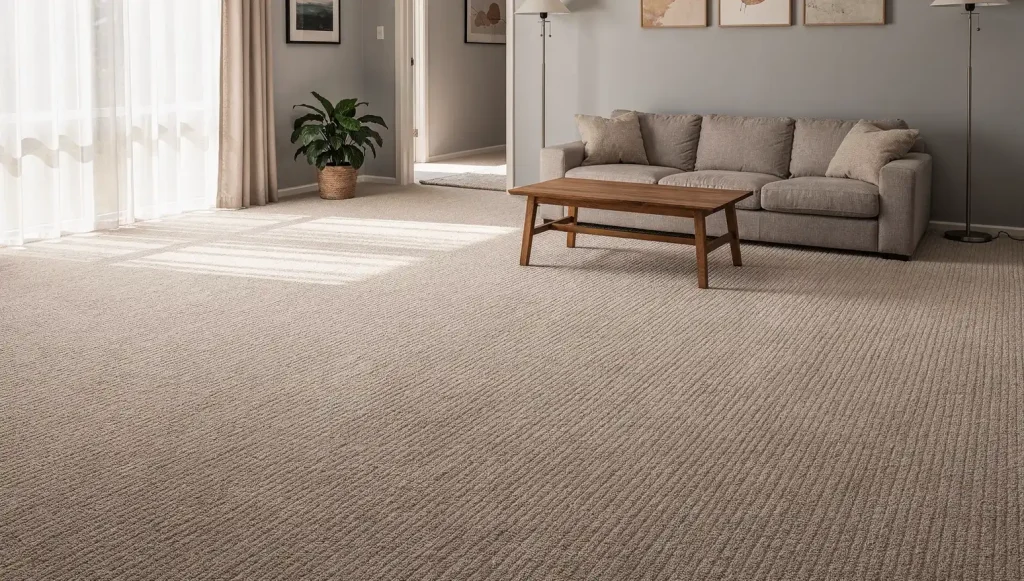
Vacuuming is the quiet workhorse of carpet care. It happens so often that it feels routine, yet the everyday habits behind it decide how long your carpet lasts. Deep cleaning matters, but even the most thorough carpet cleaning service cannot reverse the slow damage that builds up when between-clean maintenance is neglected. Good vacuuming is the daily complement to occasional deep cleaning, and it protects the investment you’ve already made in your floors.
Why Vacuuming Matters More Than People Think
Most homeowners think of vacuuming as removing surface dust. The bigger job is removing embedded grit. Fine sand, soil, and dirt sink past the surface and lodge deep in the pile, especially in a coastal region like the South West where sandy soil travels indoors on shoes and paws.
That trapped grit is abrasive. Every time you walk across the carpet, hard particles grind against the fibres like sandpaper. Over months and years, this wears the pile down, dulls the colour, and creates the flattened, tired look that appears in walkways long before the rest of the room shows age. Regular vacuuming lifts that grit out before it can do its damage.
How Often to Vacuum Different Areas
Not every part of your home needs the same attention. Matching frequency to traffic keeps your effort where it counts.
- High-traffic zones and entryways: Vacuum these two to three times a week. Hallways, living room walkways, and the first few metres inside a door collect the most grit.
- General living areas: Once or twice a week is usually enough to stay ahead of soil buildup.
- Low-use rooms: Guest bedrooms and formal spaces can be done weekly or even fortnightly, depending on how often they’re used.
Homes with pets, children, or busy front doors sit at the higher end of these ranges. If your carpet feels gritty underfoot, that’s a sign the schedule needs a lift.
Correct Vacuuming Technique
Speed is the enemy of good vacuuming. A quick pass skims the surface and leaves the deep grit behind. To actually lift trapped soil, slow down and let the suction do its work.
Use slow, deliberate passes and overlap each stroke so you don’t leave untouched strips. Push forward, then draw back slowly, because much of the lifting happens on the return stroke. In high-traffic areas, work in more than one direction, going over the spot lengthways and then across. Fibres bend as they wear, and vacuuming from multiple angles frees soil that a single direction misses.
Choosing and Maintaining the Right Settings
A vacuum that fights against your carpet does more harm than good. Two settings matter most.
- Height adjustment: Set the head to match your pile. Too low and the vacuum strains, flattens the fibres, and can fray them. Too high and it loses contact with the carpet, so suction drops. On most carpets the head should glide with light resistance, not sink in.
- Beater bar versus suction only: A rotating brush, or beater bar, agitates cut-pile carpet and helps dislodge soil. On looped or delicate fibres, that same brush can snag and pull. If your machine lets you switch the brush off, use suction-only mode on loop-pile and wool carpets.
Maintenance keeps all of this working. A clogged filter, full bag, or packed canister chokes airflow, and suction is what pulls grit out of the pile. Empty the canister or replace the bag before it’s completely full, and clean or replace filters on the schedule the manufacturer suggests.
Common Vacuuming Mistakes That Shorten Carpet Life
A few habits quietly undo good intentions. Watch for these:
- Rushing: Fast passes leave embedded grit behind to keep grinding away.
- Skipping the edges: Soil gathers along skirting boards and in corners. Use the crevice tool so these areas don’t become dirt reservoirs.
- Ignoring a full bag or canister: Reduced airflow means you’re pushing the head around without lifting much soil.
- Forgetting under furniture: Grit doesn’t only settle in the open. Move light furniture occasionally and vacuum beneath it.
Building a Realistic Weekly Routine
The best routine is one you’ll actually keep. Rather than aiming for a full-house clean every time, spread the work across the week. Hit the entryways and main walkways a couple of times, do the living areas once, and rotate through the quieter rooms as needed.
Keep the vacuum accessible so a quick five-minute pass over the busiest zone doesn’t feel like a chore. Consistent small efforts protect your carpet far better than an occasional marathon session. This is the same principle behind pairing everyday maintenance with periodic deep cleaning, whether you rely on a hot water or low-moisture cleaning method when the time comes. Between those appointments, your vacuum is the front line.
Even diligent vacuuming has limits, though. A household vacuum reaches the grit and surface debris, but the finest particles settle far deeper, where suction alone can’t retrieve them. Microscopic debris, allergens, and the tiny organisms that live in carpet fibres stay locked in the pile, and understanding what actually lives deep in your carpet explains why it matters so much for your home’s air and the health of everyone in it.