
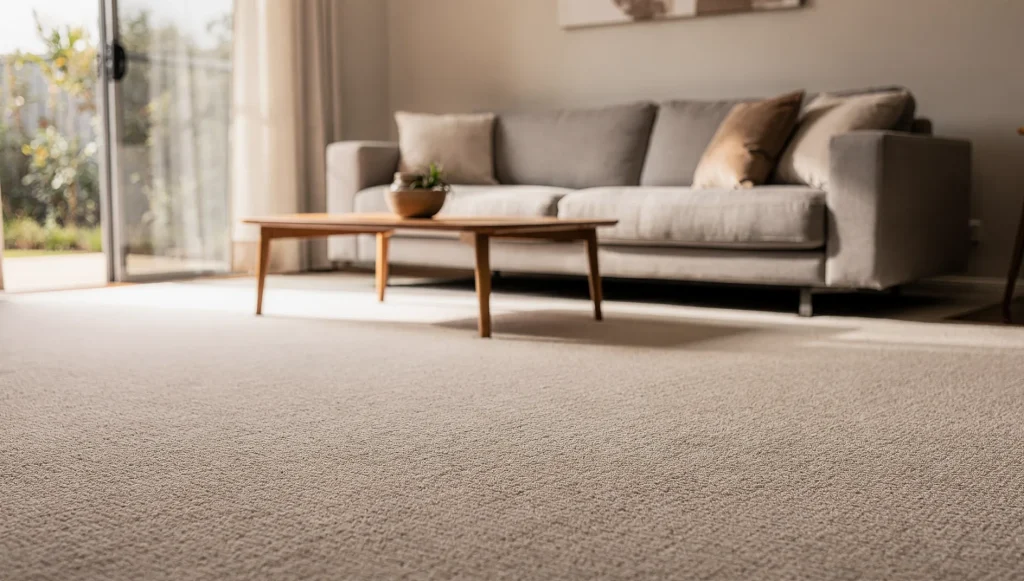
Here’s a pattern we see all the time: someone books the first name that pops up, the job gets done in a rush, and a week later the carpet looks much the same or dries slower than expected. A better result usually starts well before anyone arrives. Good carpet cleaning in Bunbury begins with asking the right questions, because the answers reveal whether you’re dealing with a thorough operator or someone cutting corners.
You don’t need technical expertise to vet a cleaner. You just need to know which questions separate a genuine professional from a vague one. Here’s what to ask before you commit.
Which Cleaning Method Do You Use, and Why Does It Suit My Carpet?
A capable cleaner should explain their method and why it fits your situation rather than giving a one-size-fits-all answer. Hot water extraction, often called steam cleaning, is widely used for deep cleaning because it flushes soil and residue from deep in the pile. Other approaches, such as low-moisture methods, suit certain fibres or situations where faster drying matters.
The point isn’t that one method wins every time. It’s that the cleaner can justify their choice. If they can’t tell you why their method suits your carpet, that’s worth noting.
How Do You Assess Fibre Type and Adjust Treatment?
Carpet fibres behave differently. Wool, nylon, polyester and polypropylene each react to moisture, heat and cleaning solutions in their own way. A treatment that’s fine for one can damage or shrink another.
Ask how they identify your fibre type and how that changes their approach. A thorough cleaner inspects the carpet, checks for colourfastness, and adjusts solutions and heat accordingly. A vague “we clean everything the same way” answer suggests they’re not tailoring anything.
What Does the Service Actually Cover?
“Carpet cleaning” can mean very different things. Before booking, get clarity on what’s included so there are no surprises. Ask specifically about:
- High-traffic areas like hallways and lounge rooms that need extra attention
- Spot treatment for stains and how stubborn marks are handled
- Odour treatment, which matters in homes with pets or lingering smells
- Upholstery, lounges and mattresses if you want those done too
- Edges, stairs and corners that are easy to skip
Knowing the scope up front lets you compare services on what they deliver, not just on who answers the phone first.
What’s the Process and How Should I Prepare?
A good cleaner will walk you through what happens on the day. This tells you they have a proper system rather than making it up as they go. Useful questions include:
- What furniture do I need to move, and what will you move?
- Should I vacuum beforehand, or is that part of the service?
- How long will the job take?
- What are the expected drying times, and how can I speed them up?
- Do you need any particular access, parking or power?
Drying time matters in our coastal climate. Humidity along the South West coast can slow things down, so a cleaner who talks openly about airflow and realistic drying windows is thinking about the whole result, not just the clean itself.
Do You Have Experience With My Situation?
Your reason for cleaning shapes what the job needs. Routine maintenance on a well-kept carpet is very different from an end-of-lease clean where the standard is strict, which is different again from reviving tired carpet that hasn’t been cleaned in years.
Ask whether they’ve handled situations like yours. Someone experienced with end-of-lease work will understand what property managers look for. Someone used to reviving neglected carpet will set realistic expectations about what can and can’t come back. Matching their experience to your need makes a real difference.
Red Flags to Listen For
The way a cleaner answers often tells you as much as the answer itself. Watch for these warning signs:
- They can’t or won’t explain their method in plain terms
- Every carpet gets the same treatment regardless of fibre
- They promise an exact result sight unseen without inspecting anything
- They’re vague about drying times or dodge the question
- They rush you to book without discussing scope or preparation
A thorough operator welcomes questions and answers them clearly. Hesitation, jargon used to dodge detail, or pressure to commit quickly are all signs to keep looking.
One question that’s becoming more important for many Bunbury households is what products and solutions a cleaner actually uses on your floors. If you have children crawling on the carpet, pets sleeping on it, or anyone in the home with allergies or sensitivities, you’ll want to understand what’s being left behind after the clean. The trouble is that terms like “green” and “low-chemical” get thrown around loosely, so it’s worth getting clear on what those labels really mean and what you should actually expect from a safer, gentler clean.