
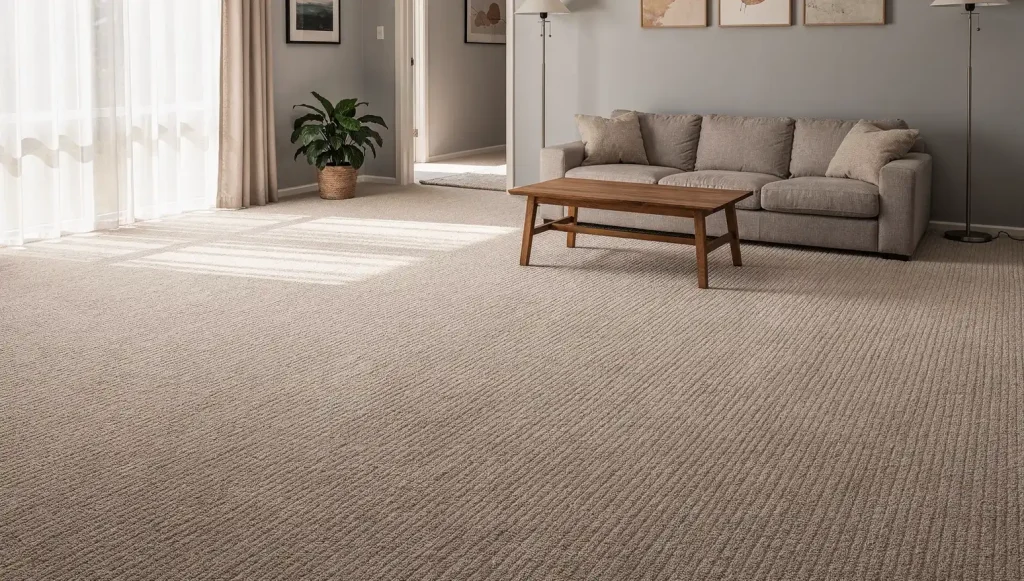
You step into the lounge room on a humid morning and notice it again – a damp, musty note in the air that never quite lifts. For many households near the water, this is daily life, and the carpet is often the culprit. The coastal humidity effects on carpet in Bunbury are real and persistent, which is why understanding how moisture behaves in your home matters before professional carpet cleaning restores that clean, fresh feeling. Once you know what’s happening beneath your feet, you can make smarter choices to protect your floors and your indoor air.
Prefer to watch or listen?
Why Bunbury’s Coastal Air Holds More Moisture
Air near the ocean carries more water vapour than air further inland. Sea breezes push humid air across coastal suburbs, and that moisture finds its way indoors through open windows, doorways and gaps around the home.
Humidity also shifts through the seasons. Warm, muggy stretches in the warmer months tend to hold the most moisture, while cooler, damp spells can keep indoor air from drying out properly. When a home stays closed up for long periods, that trapped moisture has nowhere to go – and carpet is one of the first materials to absorb it.
How Carpet Fibres Trap and Hold Moisture
Carpet acts like a sponge. The pile – all those tiny upright fibres – creates a large surface area that readily draws moisture from the surrounding air. Once absorbed, that water sits within the fibres and the backing, where airflow is limited and drying is slow.
Different carpets behave differently in a humid coastal environment:
- Dense, deep piles hold more air and more moisture, and they take longer to dry once damp.
- Soft, plush piles feel luxurious underfoot but can trap humidity close to the backing.
- Low, tightly looped piles tend to release moisture more freely and dry faster.
- Natural fibres often absorb more water than many synthetic options, which can be a real consideration for homes close to the shoreline.
None of these choices is inherently wrong, but each reacts to humidity in its own way, and that shapes how much maintenance your floors need.
The Link Between Trapped Moisture, Mould and Musty Odours
Mould and mildew need three things to grow: moisture, warmth and organic material. A damp carpet in a warm coastal home supplies all three. Spores that are always present in the air settle into the pile, and once conditions are right, they begin to multiply.
That musty smell is often the first sign. It’s produced by the microbial activity happening deep in the fibres, well before you see any visible staining. Because the growth starts below the surface, the odour can linger even after a routine vacuum.
This matters beyond comfort. As moisture and microbial growth build up, they can affect the indoor air your family breathes every day. Carpets that stay damp become a reservoir that quietly influences the overall condition of the air inside your home.
Signs Your Carpet Is Suffering From Humidity
Humidity damage tends to build slowly, so it’s easy to miss until it’s well established. Watch for these signs:
- A persistent musty or damp smell that returns after cleaning.
- Patchy discolouration, especially in corners, under furniture or against external walls.
- Fibres that feel stiff, crunchy or matted rather than soft.
- A cool, slightly damp feel underfoot even on a dry day.
- Accelerated wear in high-traffic areas, where moisture and foot traffic combine.
If you notice several of these together, trapped moisture is likely at work rather than ordinary soiling.
Everyday Habits That Reduce Moisture Build-Up
Small, consistent habits make a genuine difference in a coastal home. The goal is simple: keep humidity moving out and away from the carpet.
- Open windows and create cross-ventilation on dry, breezy days to flush out damp air.
- Run fans or air conditioning to keep air circulating and lower indoor humidity.
- Use a dehumidifier in rooms that feel consistently damp.
- Vacuum regularly to lift fibres and encourage airflow through the pile.
- Address spills and wet patches quickly so moisture doesn’t settle into the backing.
- Lift furniture occasionally to let trapped areas breathe and dry.
These steps won’t eliminate coastal humidity, but they slow the moisture build-up that leads to odours and mould.
When Home Measures Aren’t Enough
Everyday maintenance manages surface conditions, but it can’t reach moisture that has settled deep into the backing or microbial growth that has taken hold below the pile. When a musty smell keeps returning, or discolouration spreads despite your best efforts, the problem has moved beyond what home care can fix.
This is where moisture-focused professional cleaning makes the difference. Proper deep treatment lifts embedded moisture and residue from within the fibres, then controls the drying process so the carpet doesn’t simply reabsorb humidity. For homes near the Bunbury coastline, periodic deep cleaning keeps carpets in good condition and supports healthier indoor air over the long term.
Humidity is only one of the challenges that coastal living brings indoors. Homes close to the shoreline also contend with gritty, salty deposits that get carried in on feet and breezes, creating a different kind of wear on your carpet. Understanding how to manage beach-borne residue near the water is the natural next part of protecting your floors.